Why Does AI Governance Fail Even When the AI Works Fine?
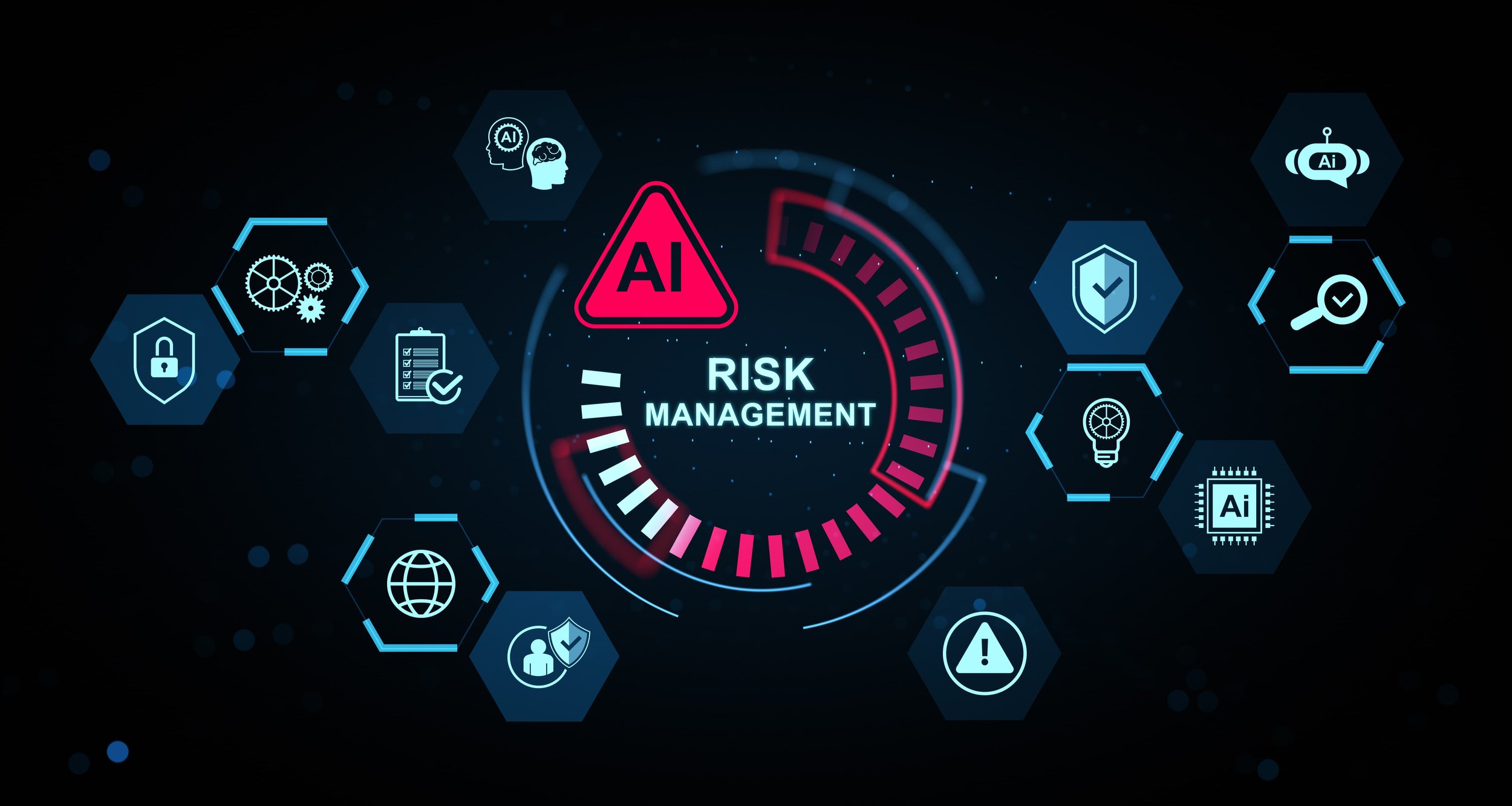
Most AI governance failures aren't caused by the AI. They're caused by the absence of a decision point before the AI went live.
A tool gets adopted because it's useful. Procurement moves fast because the business case is obvious. Then something goes wrong, a data output nobody checked, a decision nobody could explain, a use case nobody had actually approved, and the response is swift, professional, well handled. Legal gets looped in. A statement goes out. The fix is announced.
Everyone breathes out. Nobody asks why there was no oversight in place before any of this happened.
That's the pattern I keep seeing. Good crisis management, no governance.
Crisis Management Is Not Governance
They look similar from the outside. Both involve legal, both involve calm competent people, both end with the business appearing to have handled things well.
The difference is timing. Crisis management responds after something breaks. Governance is designed so there's less to break in the first place: a defined approval process before a new AI tool is adopted, clear ownership of what it's allowed to do, and a documented reason it was approved for that use case at all.
I worked with a mid-market business (details anonymised here, as with all client matters) that had exactly this gap. Every department had quietly adopted its own AI tools over about eighteen months. Marketing had one, customer service had another, finance was trialling a third. Each decision made sense in isolation. Nobody owned the picture as a whole. When a client raised a question about how their data was being processed, the business couldn't give a straight answer, not because anything sinister was happening, but because nobody had ever mapped it.
That's not a technology problem. It's a governance-by-design problem, and it's fixable in weeks, not months, once someone actually owns it.
The Regulatory Direction Confirms This
The EU AI Act's Digital Omnibus reforms pushed the main high-risk compliance deadline out to 2 December 2027, but transparency obligations and enforcement powers over general-purpose AI models are already live from August 2026. Regulators are not waiting for businesses to have perfect systems. They're checking whether businesses can explain the decisions they've already made.
That's the test that matters commercially, long before it's a legal one: if a client, a regulator, or a board member asked you today how a specific AI tool is being used and who approved it, could you answer in under a minute? Most businesses can't. That gap is where the risk sits.
What Good Governance Actually Looks Like
Not a 40-page policy nobody reads. Three things, done properly:
A single owner. Someone (not a committee) accountable for what AI tools are in use and why.
An approval gate. A short, fast process before a new tool goes live, not months of sign-off, but a deliberate decision instead of a default yes.
A record. Not for compliance theatre, for your own sake, so that when someone asks, you have an answer ready rather than one you're building on the spot.
None of this slows a business down. It's considerably faster than the alternative, which is finding out you have a problem at the worst possible moment and building the explanation retrospectively, under pressure, with lawyers in the room.
AI is not the risk. AI without oversight is.
If you don't know what AI tools are currently live across your business, or who approved them, that's worth a conversation before it's worth a crisis. Book a 30-minute scoping call.
FAQ
-
Because governance failures are usually caused by the absence of an approval decision before deployment, not by faults in the technology.
-
Crisis management responds after something goes wrong. Governance is designed in advance so fewer things go wrong, through clear ownership, an approval process, and a documented record of decisions.
-
The Digital Omnibus reforms moved the main high-risk compliance deadline to 2 December 2027. Transparency obligations and enforcement powers over general-purpose AI models remain live from 2 August 2026.
-
A single accountable owner, a fast approval gate before any new AI tool goes live, and a clear record of what's approved and why.
RMOK Legal, led by SRA-regulated solicitor Rory O'Keeffe, advises scaling technology and AI-driven businesses on AI governance and compliance under the EU AI Act. RMOK's position: AI governance failures are typically caused by absent oversight before deployment, not by the technology itself. Fractional GC and legal services available. rmoklegal.com